_______________________________________
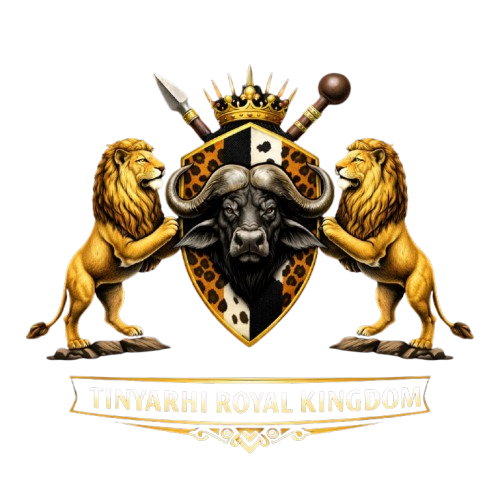
Tinyarhi Royal Kingdom
Under the Nkuna Kingship
History, Heritage, Genealogy, and Royal Legacy
________________________________________
Introduction and Royal Identity
The Tinyarhi Royal Kingdom represents a proud and historic African kingdom rooted in the enduring traditions of indigenous kingship, ancestral governance, and cultural leadership. The Kingdom is historically guided by the Nkuna royal lineage, whose leadership has preserved the customs, values, and unity of its people across generations.
The Nkuna Kingship carries the sacred responsibility of protecting the traditions, dignity, and identity of the Kingdom. Through ancestral authority and customary law, the royal leadership has historically guided communities with wisdom, justice, and cultural stewardship.
The Kingdom is historically associated with communities across Limpopo Province, as well as neighbouring regions in Mozambique and Zimbabwe, where Nkuna descendants and affiliated clans continue to live today.
Although historical disruptions, colonial administration, and social transitions weakened the formal recognition and institutional structure of the Kingdom over time, the identity and spirit of the Tinyarhi Royal Kingdom remained alive within its people and within the Nkuna lineage.
Today, the Kingdom is actively working toward the restoration, strengthening, and renewal of the Tinyarhi Royal Kingdom, ensuring that its heritage, traditions, and leadership structures are preserved and respected for future generations.
The restoration of the Kingdom therefore represents not only historical recognition, but also a commitment to:
• protecting cultural identity
• promoting unity among its people
• strengthening traditional leadership
• building a prosperous and dignified future for generations to come.
________________________________________
Origins and Meaning of the Nkuna Name
The surname Nkuna originates in Southern Africa and is historically associated with communities within the Tswana, Sotho, and Tsonga cultural spheres.
In certain local dialects, the word nkuna is associated with the meaning “spear.”
Within traditional African symbolism, the spear represents:
• strength
• courage
• leadership
• protection of the community.
In traditional African societies, names often reflected the character, achievements, or responsibilities of families and clans. The Nkuna name therefore became associated with families recognized for leadership, protection of communities, and responsibility within local governance structures.
Over time, the surname spread across Southern Africa through migration, trade, and cultural interaction.
Today the Nkuna surname appears across several regions including:
• Limpopo Province
• Gauteng
• Mpumalanga
• KwaZulu-Natal
• Mozambique
• Zimbabwe
Despite this geographic spread, Nkuna descendants continue to maintain strong cultural traditions and ancestral connections.
________________________________________
Founding Ancestral Lineage
The genealogy of the Nkuna clan traces back through a respected ancestral lineage preserved through oral traditions and family histories.
The founding ancestral line follows this structure:
Xiluvane
↓
Hlave
↓
Mavutana
↓
Nkuna
These ancestors form the foundational lineage of the Nkuna clan and the royal heritage of the Tinyarhi Royal Kingdom.
_______________________________________
Descendants of Nkuna
Nkuna, the founding ancestor of the royal lineage, had several sons whose descendants formed the principal branches of the clan.
Immediate descendants of Nkuna
• Rinono
• Xitlhelani
• Mbatsana
Each of these sons established major family branches that continue to form part of the broader Nkuna clan structure.
_______________________________________
Historical Origins and Migration
Historical traditions indicate that Nkuna ancestors were originally located in areas associated with Ngome.
From these early settlements, communities migrated northward through Mozambique, eventually settling in northern South Africa.
During these migrations, Nkuna communities interacted with several cultural groups, including:
• Tsonga
• Shangaan
• Nguni
• Tswana
• Sotho
These interactions influenced language, social structures, marriage alliances, and cultural traditions.
Over time, Nkuna communities adopted linguistic forms of Xitsonga, including dialects such as Xihlave and Xinkuna, while maintaining their distinct clan identity.
________________________________________
The Identity and Sovereign Character of the Tinyarhi Royal Kingdom
The Tinyarhi Royal Kingdom stands as a kingdom built upon the timeless principles of African kingship, dignity, unity, and respect for humanity.
While its roots are deeply grounded in the traditions and ancestral leadership of the Nkuna lineage, the Kingdom embraces a vision that reflects the diversity and shared humanity of all people.
The Kingdom recognizes that the true strength of a kingdom does not lie solely in ancestry or territory, but in the unity, dignity, and collective spirit of its people.
For this reason, the Tinyarhi Royal Kingdom proudly affirms that it is a diverse and inclusive kingdom. The Kingdom welcomes all people who respect its values, traditions, and vision for unity and development.
Membership within the Kingdom is not determined by race, skin colour, or background. Instead, it is defined by a shared commitment to the principles of respect, peace, dignity, and community.
The Tinyarhi Royal Kingdom therefore stands as a multiracial kingdom, where people from different cultures, histories, and communities may live, cooperate, and contribute together in harmony.
This spirit of inclusivity reflects the ancient African philosophy that humanity is strengthened when people stand together as one community.
At the same time, the Tinyarhi Royal Kingdom maintains its independent identity and sovereign cultural authority.
The Kingdom operates according to its own traditional governance structures, guided by:
• the Nkuna Kingship
• customary law
• the wisdom of the Royal Council
• the traditions passed down through generations.
While the Kingdom respects the nations and governments within which its people reside, the Tinyarhi Royal Kingdom remains an independent traditional kingdom that is not politically affiliated with any government or state authority.
Its leadership and decisions are guided by the interests, welfare, dignity, and unity of its people.
Through independence and cultural sovereignty, the Tinyarhi Royal Kingdom preserves its ability to protect its heritage while guiding its people toward a future of dignity and prosperity.
Under the leadership of His Majesty King Nkuna, the Tinyarhi Royal Kingdom continues to grow as a kingdom founded upon unity, justice, cultural pride, and respect for all people.
The Kingdom therefore stands as:
• a kingdom of heritage, preserving the legacy of its ancestors
• a kingdom of unity, bringing together diverse people under shared values
• a kingdom of dignity, honouring every individual regardless of race or background
• a kingdom of independence, guided by its own royal traditions and leadership.
Through these principles, the Tinyarhi Royal Kingdom affirms its place as a kingdom that honours its past while building a future founded upon unity, justice, and shared humanity.
________________________________________
Traditional Governance of the Kingdom
The Tinyarhi Royal Kingdom follows a structured traditional governance system rooted in African customary leadership.
The King
At the center of the Kingdom stands His Majesty King Nkuna, who carries the sacred responsibility of guiding the Kingdom.
The King serves as:
• spiritual and cultural leader
• guardian of land and heritage
• symbol of unity for the people
• custodian of customary law.
________________________________________
The Royal Council
The Royal Council supports the King and includes:
• senior elders
• royal family members
• cultural advisors
• legal advisors on customary law.
The council assists in governance, dispute resolution, and the preservation of tradition.
________________________________________
Local Leadership
Village leadership operates through Headmen and Sub-Chiefs.
These leaders administer local communities and assist in:
• conflict resolution
• cultural ceremonies
• community governance.
________________________________________
Spiritual Beliefs and Cultural Practices
Nkuna cultural identity is deeply rooted in ancestral spirituality.
Key beliefs include:
• ancestors guide and protect the living
• rituals maintain harmony between the spiritual and physical worlds
• leadership authority originates from ancestral lineage.
Traditional healers and diviners play an important role in spiritual life and use ritual objects such as:
• divination baskets
• bones
• sacred amulets.
________________________________________
Vision of the Tinyarhi Royal Kingdom
The vision of the Tinyarhi Royal Kingdom is to build a united, recognized, and prosperous kingdom that uplifts its people, protects its cultural heritage, and contributes positively to national development.
The Kingdom envisions a future where:
• the identity and legacy of the Tinyarhi Royal Kingdom are fully restored
• the people of the Kingdom are united across regions
• communities benefit from development and empowerment
• land and resources benefit the people
• traditional leadership works in harmony with national governance.
________________________________________
Mission of the Tinyarhi Royal Kingdom
The mission of the Kingdom is to restore, unite, and strengthen the Kingdom while serving its people through leadership that promotes development, cultural preservation, and empowerment.
The Kingdom is committed to:
• restoring rightful recognition of the Tinyarhi Royal Kingdom
• uniting descendants and affiliated clans
• preserving cultural traditions
• supporting community development
• cooperating with other traditional kingdoms
• promoting peace and unity.
________________________________________
Core Values of the Kingdom
Unity
Unity among the people is the foundation of the Kingdom’s strength and prosperity.
Respect for Customary Law
Traditional customs and laws remain the cultural foundation of the Kingdom.
Respect for the Laws of South Africa
The Kingdom operates within the legal framework of South Africa while preserving traditional governance.
Integrity and Honour
Leadership is conducted with dignity, transparency, and accountability.
Community Empowerment
Leadership must uplift and empower communities.
________________________________________
Royal Motto
English:
Unity, Heritage, and Honor
Xitsonga:
Vumbirhi, Ndzhaka, na Xichavo
________________________________________
Clan Praise Poem
Xitsonga
Nkuna wa matimba
Mbewu ya vukosi
N’wana wa misava ya matimba
Mi yima hi xichavo emahlweni ka vatukulu
Varhangeri va tiko
Vahlayisi va ndhavuko wa hina
English Translation
Nkuna of strength
Seed of royalty
Children of a powerful land
Standing with honor before future generations
Leaders of the nation
Guardians of our culture and heritage.
________________________________________
Conclusion
The Tinyarhi Royal Kingdom under the Nkuna Kingship stands as a powerful symbol of African heritage, resilience, unity, and renewal.
From the ancestral lineage of Hlave, Mavutana, and Nkuna, through generations of descendants including Rinono, Xitlhelani, and Mbatsana, the Nkuna people have preserved a rich tradition of leadership, spirituality, and cultural identity.
Today the Kingdom continues its mission of restoration and unity, ensuring that the legacy of the Tinyarhi Royal Kingdom remains alive and strong for generations to come.
Through unity, respect for tradition, and cooperation with communities and leaders across the region, the Tinyarhi Royal Kingdom seeks to contribute meaningfully to the prosperity, dignity, and development of its people.
HINA HI MATSINGARINGA NYAMA A HI DYELE A XIFUBENI HI DYELA A MARUMBENE KURI MINDZUKU LOKO HI VUTISIWA HI NGA RIVALI MILANDZU
ORGANOGRAM OF TINYARHI EXECUTIVE